QUIKRETE No. 1101 yield sheet, checked October 2026
Original volume calculations using manufacturer bag yields. Not a specified hole size, footing design, cure schedule or structural approval.
Sources and scope checked .
Concrete quantity is not a footing design. Hole diameter, concrete depth, post embedment, drainage and required strength must come from the actual approved project detail, applicable requirements and product instructions. A bag estimate cannot establish that a fence is structurally adequate or authorize digging.
Start with approved dimensions, calculate the volume, then check the exact concrete product's yield and procedure. Use the post-depth planning guide as context, not a substitute for the required design. The quantity worksheet below keeps its illustrative dimensions separate from installation requirements.
Concrete Mix Types for Fence Footings
Pre-mix (bagged dry concrete)
Identify the exact bagged product and current instructions. Conventional concrete mix and a manufacturer-specific fast-setting/post-setting product may require different procedures. Do not transfer a no-mix instruction from one product to another or assume every bag has the same yield.
The QUIKRETE Concrete Mix No. 1101 sheet is the quantity reference used below. It lists mixing, placement, curing and approximate yields for that product. Those instructions are not a universal recipe for every fence or bag mix. No. 1101 technical data.
Site-mixed concrete (field batched)
Use a specified and controlled mix for the actual project. An online cement:sand:aggregate ratio alone does not prove the required strength, placement or durability. Keep batching, material and quality requirements explicit; this guide does not invent one recipe that serves every footing.
Ready-mix
Provide the required mix/performance specification, quantity, access, placement plan and conditions to the supplier. Delivery and placement arrangements are different from selecting an individual bag count. Resolve specification conflicts with the responsible professional rather than making undocumented substitutions in the field.
Concrete volume and bag counts
Download or embed this graphic
<figure>
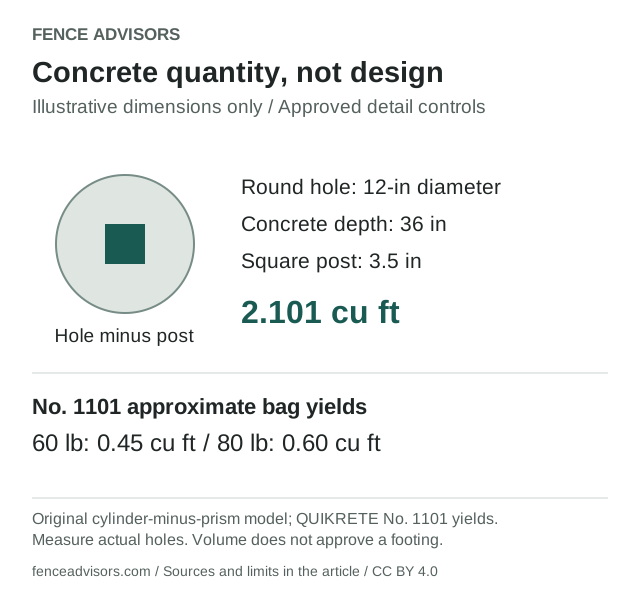
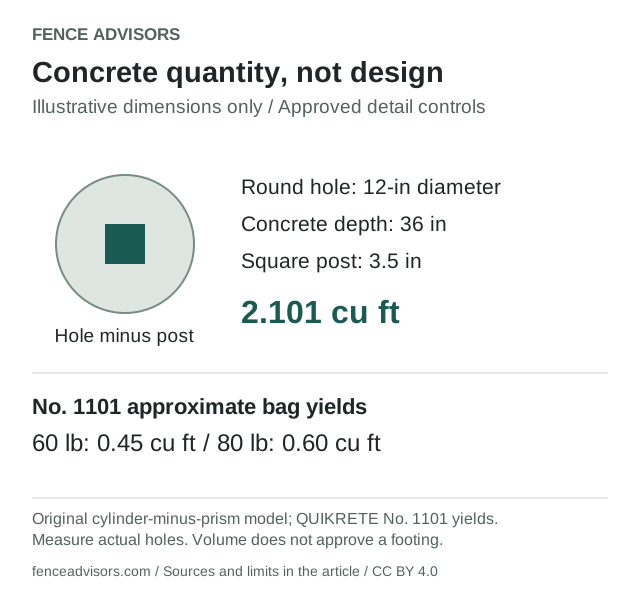
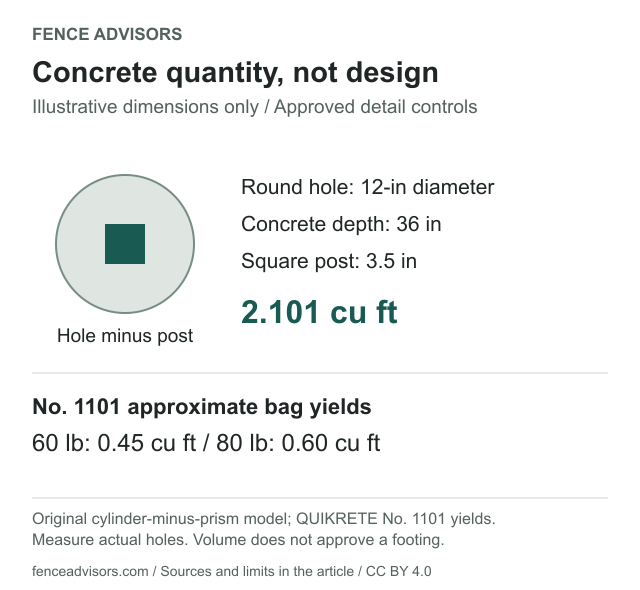
  <a href="https://fenceadvisors.com/blog/fence-post-concrete-footings-guide"><img src="https://fenceadvisors.com/media/research/fence-concrete-volume.svg" alt="Concrete volume equals round-hole cylinder volume minus the embedded post volume. For a modeled 12-inch diameter, 36-inch concrete depth and 3.5-inch square post, volume is approximately 2.101 cubic feet." width="640" height="590" loading="lazy" style="max-width:100%;height:auto"></a>
  <figcaption>Graphic: <a href="https://fenceadvisors.com/blog/fence-post-concrete-footings-guide">Fence Advisors</a>. Source, period and limitations are in the linked article. Original graphic: CC BY 4.0.</figcaption>
</figure>
For a modeled cylindrical hole and square post fully embedded over the modeled concrete depth:
Concrete cubic feet = [(pi x diameter squared / 4) - square post width squared] x concrete depth / 1,728, using inches for all three dimensions.
For the illustrative, not recommended, inputs of 12-inch diameter, 36-inch concrete depth and a 3.5-inch square post, the result is 2.101 cubic feet. Use concrete depth, not a total drilled depth that includes a different base material. If the post does not occupy that entire depth, subtract only its actual embedded volume instead.
| Bag size, No. 1101 | Approximate manufacturer yield | Bags for the illustrative one-hole volume, rounded up |
|---|---|---|
| 60 lb | 0.45 cu ft | 5 |
| 80 lb | 0.60 cu ft | 4 |
Source for yields: QUIKRETE No. 1101 sheet. The model does not include overdig, irregular holes, collars/crowns, spills or a chosen extra allowance. Actual measured volume and yield can differ. The downloadable table uses several clearly labeled illustrative dimensions; it does not prescribe any of them.
For multiple holes, distinguish rounding each individual hole's bag requirement from summing the total concrete volume and rounding a batch quantity once. Reusable mixed material and logistical constraints differ; do not silently switch the rounding basis. For a circular post, subtract its embedded cylinder volume rather than using the square-post formula.
Water-to-Cement Ratio: The Variable That Controls Strength
Follow the actual mix's water and preparation instructions and project quality requirements. Adding water outside the permitted procedure changes the mix; a generic ratio-to-PSI chart cannot guarantee field strength across products, materials, curing and test conditions.
This guide does not equate a particular water/cement number to a universal fence-footing strength. Required performance must be documented separately from volume. Use the named product's complete sheet and the project's specification rather than inferring strength from how easily the mix flows.
Proper Pouring Technique
Have the approved detail settle post type, location, dimensions, base material, placement method, reinforcement where applicable, top finish and drainage. A six-inch gravel base or crown detail is not automatically correct for every soil or foundation system.
Before excavation, verify the property location and applicable notification/utility process. The 811 guide covers practical questions; the utility-damage evidence shows why hand tools do not remove the need for safe procedures. Do not dig an unresolved location just because bags have been ordered.
Record the specified and as-placed dimensions, mix, conditions and any changed detail. Follow safe handling and protective-equipment requirements on the actual product; this article is not a complete field installation procedure.
Cure Times Before Loading
Initial set, safe handling, loading permission and design strength are different states. Do not attach a universal 24-hour, 72-hour or seven-day loading rule to every mix and fence. The product, conditions and approved installation requirements need to establish the loading decision.
Keep the actual product instructions and curing/temperature record. A gate or large solid panel can impose a different load from an unloaded post. A bag's marketing description alone does not establish that the entire installed assembly is ready.
Cold Weather Considerations
Plan placement and curing using the actual product guidance and project requirements. Temperature conditions affect the procedure; a fixed elapsed time does not replace the required conditions or performance confirmation. Ask the supplier/responsible professional about protection and compatibility before using additives or changing water temperature.
This guide does not recommend a universal calcium-chloride addition or temperature threshold for every mix and embedded metal. Keep any approved change in writing and preserve the product-specific limitations.
When Is Concrete Required? (ASTM Rules)
Verify the actual governing requirements and adopted/specification editions, the approved detail and manufacturer instructions. An old training excerpt or an internet clause reference does not establish the requirements for every current fence. Resolve conflicts with the authority/designer responsible for the project rather than using a universal online hierarchy.
The public CLFMI manual revised March 2017 references ASTM installation and framework specifications as part of chain-link system documentation. We checked its introductory/table material, not the complete current text of every listed standard. We do not claim that all fence posts must be concreted or that concrete alone guarantees ten-year stability.
A no-concrete foundation alternative is not automatically acceptable either. The required assembly and site need to determine the method. Get the proposed detail and verification in writing; the buyer worksheet has a footing field for comparing bids on the same basis.
Methodology and downloads
Original volume arithmetic and the publicly available two-page No. 1101 sheet were checked October 3, 2026. Dimensions are illustrative; yield is approximate and product-specific. No structural design, concrete testing or universal current-standards certification is claimed. Use the supplier directory for material candidates and contractor directory for project-specific proposals.
Frequently Asked Questions
How many concrete bags does a fence post need?
First obtain the required dimensions and measure the modeled volume. Divide by the exact product's yield and state the rounding/allowance basis. The illustrative 2.101-cu-ft hole uses five 60-lb or four 80-lb No. 1101 bags when rounding that single hole up; it does not set a required footing size.
Can I pour every concrete bag dry into a hole?
Do not assume so. Conventional mix and specific post-setting products can have different instructions. Follow the exact product and approved procedure.
Does this chart approve the footing dimensions or loading time?
No. It estimates a clearly defined volume and bag quantity. Structural sizing, installation, curing and loading require the actual project requirements and product instructions.
Sources and Downloads
Original Fence Advisors graphics, data compilations and worksheet are available under CC BY 4.0. Retain source, period and scope when reusing data. This license does not relicense third-party documents or trademarks.
Corrections: editorial@fenceadvisors.com.
Related Research
Put your research to work
Estimate your budget, then compare fence companies in your area.
Get the next guide in your inbox
Fence costs, rankings, and what AI is telling homeowners — researched, no fluff.